1300 800 080

AVAILABLE 24/7
1300 800 080
GET A QUICK

Quote

What Is a Security System and How Does It Work?

Category:

What Is a Security System?

A security system is a network of interconnected security devices designed to protect homes, businesses, and properties from intrusions, theft, and emergencies. Most home security systems include a combination of door and window sensors, motion detectors, glass break sensors, and home security cameras to detect unauthorised access. Additionally, a comprehensive security system may feature carbon monoxide detectors, smoke alarms, and emergency services integration for enhanced safety.

The best home security systems also provide professional monitoring services, where a monitoring center oversees alerts and contacts authorities when needed. Many home security providers offer both professionally monitored systems and self-monitored options. A monitored security system ensures real-time protection and peace of mind, especially with cellular backup and battery backup for uninterrupted operation.

WE’RE HERE TO HANDLE ALL YOUR
24/7 Emergency Electrician

Key Components of a Security System:

Control Panels and Keypads

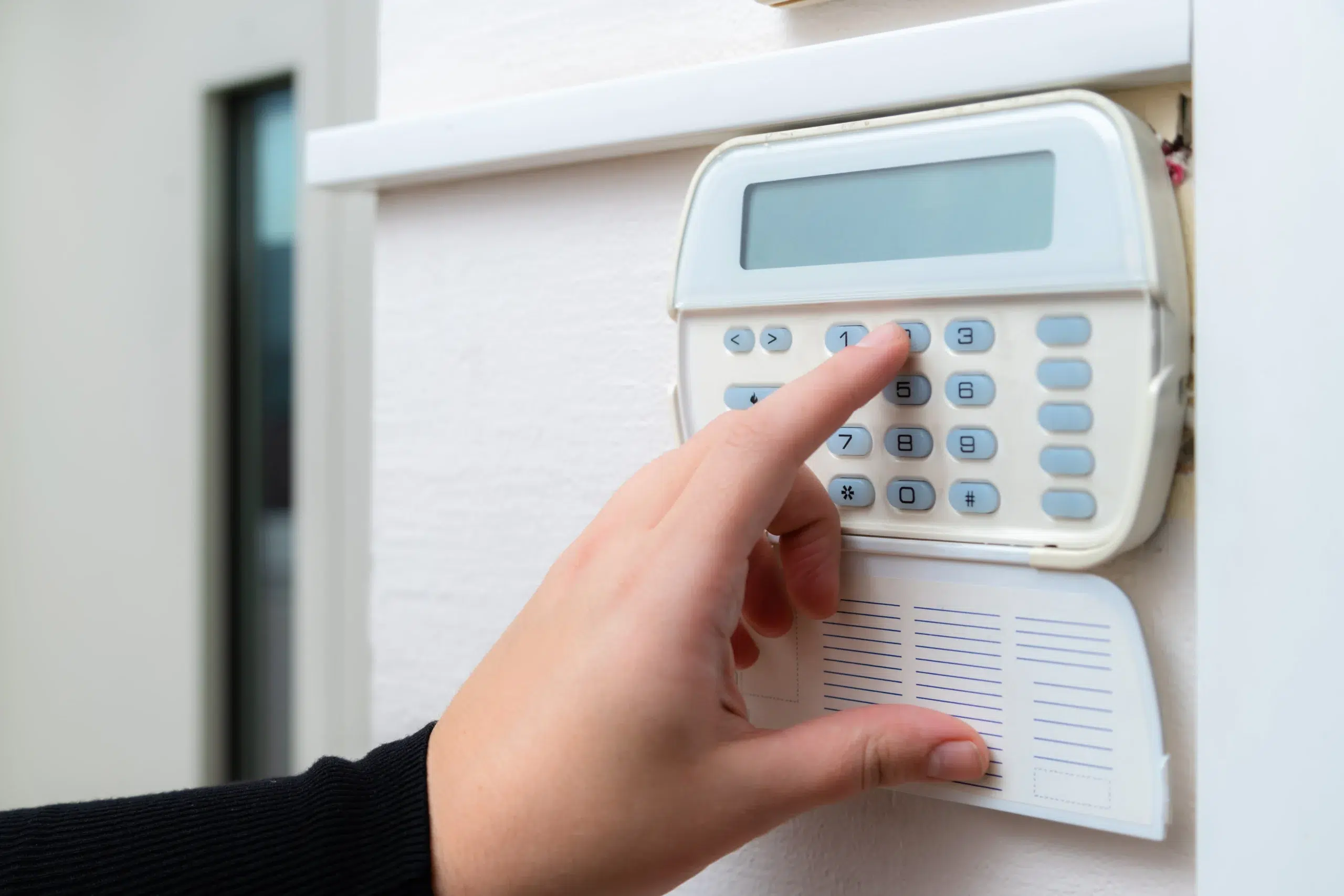
A control panel serves as the brain of a home security system, connecting all security equipment and ensuring seamless communication between devices. Most home security systems include a central control panel equipped with a keypad or touchscreen interface for easy operation. Users can arm or disarm the system, check system status, and interact with a professional monitoring service.

Some professionally installed security systems also feature key fobs and smart locks, allowing homeowners to control their security systems remotely. Many compatible devices can integrate with smart home devices, such as Alexa and Google, enhancing the overall smart home ecosystem.

Sensors and Detectors

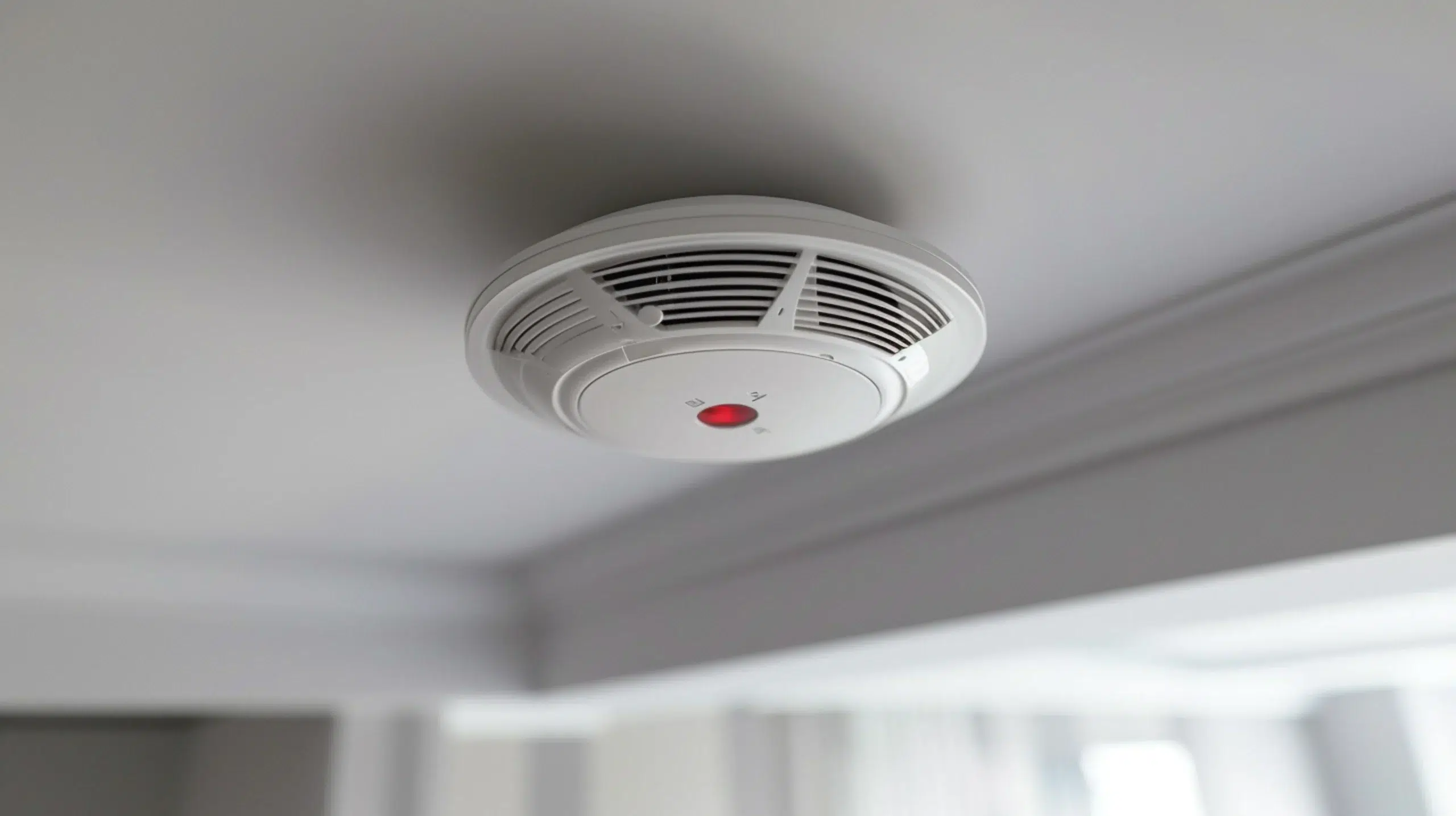
A typical home security system relies on various sensors and detectors to monitor potential threats. Door and window sensors detect unauthorised entry when a door or window is opened. Motion sensors, also known as motion detectors, detect movement in designated areas and trigger alarms. Glass break sensors listen for the sound of shattering glass and alert the system.
Smoke alarms are essential for detecting fire hazards, providing early warnings in emergencies. Carbon monoxide detectors play a crucial role in identifying harmful gas levels, ensuring peace of mind for homeowners. Flood sensors help detect water leaks and prevent extensive damage, while temperature sensors monitor extreme conditions and alert homeowners if necessary.

Alarm Systems

An alarm system plays a vital role in protecting homes from potential threats. Most security systems include an alarm system that can be self-monitored or connected to a monitoring centre. A professionally monitored system involves a professional monitoring service that responds to alerts and contacts emergency services when needed.
On the other hand, some home security systems offer free self-monitoring through a home security app, allowing homeowners to receive alerts directly on their smartphones. Many modern security systems have features to reduce false alarms, ensuring efficient system performance.

Home Security Cameras

A comprehensive security system includes home security cameras to provide real-time surveillance and video storage. There are several security camera system types to consider. Indoor and outdoor cameras play a crucial role in monitoring home activity. Indoor cameras help monitor movement inside the home, while outdoor cameras are weather-resistant and ideal for securing entry points.

Wi-Fi cameras connect to a home network, allowing remote access via a home security app. Many security companies offer cloud video storage and battery backup, ensuring continuous recording and preventing data loss.

Environmental Sensors

Beyond intrusion detection, other home security systems include environmental monitoring features for added peace of mind. Smoke alarms detect fires and alert homeowners, while carbon monoxide detectors monitor and warn against hazardous gas levels. Flood sensors play a significant role in detecting water leaks, preventing costly damage before it escalates into major issues.

Different Types of Home Security Systems You Should Know

There are various home security system types available, each catering to different needs and budgets. Some of the most common types include:

  • Monitored Security System: A professionally monitored system where security companies oversee the home security system and dispatch emergency services when an alarm is triggered.
  • Self-Monitored Security System: Homeowners monitor their security system using a home security app, such as Ring Alarm, without professional assistance.

  • Wireless Security System: Utilises Wi-Fi and cellular backup to operate without physical wiring.

  • Wired Security System: Uses hardwired connections for reliable operation, often requiring professional installation.

  • DIY Systems: These are easy to install and do not require professional installation. They offer flexibility but may lack professional monitoring services.

  • Smart Home Security System: Integrates with other smart home devices, such as smart locks, Alexa and Google assistants, and smart home ecosystems.

image 22316 1
On the
hour services
On the hour services
A Great Choice

Benefits of Installing a Security System

Investing in a home security system provides several benefits, ensuring safety, convenience, and peace of mind. Whether opting for professionally installed security systems or DIY systems, understanding the advantages can help homeowners make an informed decision.

Enhanced Safety and Protection

A comprehensive security system protects against burglaries, environmental hazards, and emergencies. Home security systems with security cameras, motion sensors, door and window sensors, and glass break sensors provide robust security, ensuring your home is well-guarded.

Peace of Mind with Professional Monitoring

A monitored security system offers professional monitoring services, where a monitoring center oversees security alerts 24/7. In the event of a break-in, fire, or carbon monoxide leak, the system immediately notifies emergency responders. Most security systems include features like smoke alarms, carbon monoxide detectors, and motion detectors, enhancing home safety.

Remote Monitoring and Smart Home Integration

Modern home security cameras and indoor and outdoor cameras allow remote access through a home security app. Integration with smart home devices, such as smart locks, Alexa and Google assistants, and other smart home devices, ensures a seamless smart home ecosystem for better control.

Potential Insurance Discounts

Many home security companies partner with insurance providers to offer discounts on premiums for homes equipped with most home security systems. Installing an alarm system, security camera system, or a professionally monitored system can lower insurance costs while improving security.

Deterrence of Criminal Activity

Visible security cameras, outdoor cameras, and security equipment act as deterrents to potential intruders. Most security companies recommend placing home security cameras strategically to cover entry points, reducing the likelihood of break-ins.

Emergency Services Coordination

A typical home security system with a professional monitoring service ensures quick emergency response. The monitoring center contacts authorities in case of detected threats, preventing extensive property damage or loss.

Reliable Battery and Cellular Backup

A comprehensive security system includes battery backup and cellular backup, ensuring it remains functional during power outages. Most security systems also feature wi-fi connectivity with fallback options for uninterrupted monitoring.

Secure Video and Cloud Storage

Cloud video storage and cloud storage options provide safe backup of surveillance footage, preventing loss of evidence. Security companies often offer different video storage plans, ensuring continuous recording and easy retrieval.

Flexible Installation Options

Some home security providers offer professional installation, while others provide self-monitored DIY systems. Most security companies require professional installation options for homeowners who prefer a hands-off approach.

Cost Considerations and Subscription Plans

The monthly monitoring price and monthly fee for a monitoring subscription vary depending on the home security providers and selected services. Additional equipment costs, such as key fobs, central control panels, and smart home ecosystem integrations, may apply.

Avoiding False Alarms

A well-calibrated alarm system prevents false alarms, reducing unnecessary disruptions and fines. Ring alarm, Brink’s home security, and other home security providers offer advanced security systems with reduced error rates.

Security System Costs and Pricing

The cost of installing a home security system varies based on features, monitoring services, and security equipment. Different security systems offer a range of options, from DIY systems to professionally installed security systems, each affecting pricing differently. Below are the key factors that influence security system costs:

Equipment Costs

The price of security cameras, door and window sensors, glass break sensors, motion detectors, control panels, and other security equipment determines the total cost of a comprehensive security system. Some home security providers offer bundled packages, while others allow customization with compatible devices and smart home devices like smart locks and carbon monoxide detectors.

Professional Installation vs. DIY Systems

A professionally installed security system typically requires an upfront installation fee. Some home security companies provide installation services, ensuring proper setup of indoor and outdoor cameras, motion sensors, and smart home ecosystem components. On the other hand, DIY systems are often more cost-effective and allow homeowners to install their home security cameras and alarm system without additional charges.

Monitoring Subscription & Monthly Monitoring Price

The cost of a monitored security system varies based on the level of service. Some home security systems offer professional monitoring services, where a monitoring center responds to alarms and contacts emergency services. Others provide self-monitored options through a home security app, sometimes with free self-monitoring but limited features.
  • Professional Monitoring Service: Monthly fees vary depending on the provider and the level of protection.
  • Self-Monitored Systems: These often have a lower monthly fee but may lack 24/7 support from a monitoring center.

Cloud Storage and Video Storage Costs

Many home security systems offer cloud video storage for recorded footage. Providers like Ring Alarm and Brink’s Home Security offer different plans based on storage duration and accessibility. Some systems also provide battery backup and cellular backup to ensure recording and alerts continue even during power or internet outages.

Smart Home Ecosystem Integration

Integrating a home security system with smart home technology can increase costs. Features like compatibility with Alexa and Google, Wi-Fi connectivity, and other smart home devices such as smart locks and key fobs may require additional investment.

False Alarms and Additional Fees

Some security companies charge fees for false alarms, which occur when a security camera system or alarm system is triggered accidentally. Reviewing the policies of most security companies can help in understanding these additional costs.

Choosing the Best Home Security System

The best home security systems offer a balance between cost, features, and ease of use. A typical home security system should include motion sensors, control panels, smoke alarms, carbon monoxide detectors, and emergency services integration. When comparing other home security systems, it’s important to consider the monthly monitoring price, storage fees, and installation costs.
Investing in most home security systems ensures peace of mind, protecting homes and families with advanced technology and professional monitoring support.

Conclusion

A home security system is a crucial investment for protecting your property and ensuring peace of mind. With various home security system types available, homeowners can choose the best security system that suits their needs. Whether opting for a professionally monitored system, DIY systems, or smart home security, ensuring proper installation and maintenance is key. At OTHS, we provide professional monitoring services, and integrating security cameras, sensors, and smart home devices enhances the effectiveness of the system. Choosing the right home security provider, investing in a comprehensive security system, and leveraging smart home technology can significantly enhance security and convenience.

FAQ's

What is a security system, and why do I need one?

A security system is a network of devices that protects homes and businesses from threats such as burglary, fire, and environmental hazards. Having a security system ensures peace of mind and enhances safety.
Many home security systems offer DIY installation options, while others require professional installation. Professionally installed security systems may offer enhanced features and reliability.
Regular maintenance, such as checking sensors, updating smart home devices, and replacing batteries, should be done at least once a year to ensure optimal performance.
The cost varies based on equipment costs, monitoring services, and installation fees. DIY systems can be more affordable, while professional installation and monitoring subscriptions may require higher upfront and monthly fees.
CCTV systems provide real-time surveillance, deter criminals, store video footage, and integrate with other smart home devices for enhanced security.
On The Hour Services

93 Exley Road Wedderburn NSW 2560 Campbelltown & South West Sydney

Request a Quote

Related Posts

Leave a Reply

Your email address will not be published. Required fields are marked *