What Are the Reasons for Flickering Lights in My Home?
Loose Bulbs and Fixtures
Additionally, faulty connections can cause flickering if light fittings are not securely fastened to the wall or ceiling. A loose fixture may not be properly connected to the electrical wiring, leading to interruptions in power flow and causing the lights to flicker. The fixture should be tightened and inspected for any further issues.
The type of bulb can also contribute to flickering. Certain bulbs, such as halogen or incandescent lamps, are more prone to flickering, particularly if they are not securely fitted. This is often due to loose fittings or the need to replace old bulbs with new ones.
If tightening the bulbs or fixtures does not resolve the issue, it may be necessary to consult a licensed electrician to inspect and address any underlying electrical problems.
Faulty Switches
While replacing a switch may seem straightforward, it should be done carefully. If you are unsure about replacing it yourself, consult a licensed electrician, as faulty switches can lead to more serious electrical issues. Regular maintenance, including replacing outdated or damaged parts, ensures the electrical system functions properly.
Voltage Fluctuations
Power surges and drops can cause voltage fluctuations, leading to intermittent flickering lights. These fluctuations arise from temporary variations in the voltage supply to your home. Significant changes in voltage can result in dimming, intermittent flickering, or lights becoming excessively bright. Large power-consuming appliances such as refrigerators, air conditioners, washing machines, or ovens are common culprits.
These appliances can cause voltage surges when they turn on or off, affecting the lights. Fluorescent lights, in particular, may flicker when appliances on the same circuit are in use, as the initial load impacts the lights. In some cases, insufficient electrical panels or wiring may be unable to provide consistent voltage. Upgrading the electrical circuit wiring or using a surge protector or voltage stabiliser can help resolve the issue. If flickering persists, it is advisable to contact a licensed electrician to inspect and repair your home’s electrical system.
Loose Wiring and Connections
Regular inspections and maintenance of electrical connections and wiring are essential to ensure their integrity. Flickering lights often indicate loose connections or faulty wiring. If you suspect wiring issues, it is best not to attempt repairs yourself, especially if you lack the necessary expertise. A professional electrician can ensure your home’s electrical system is safe and address any issues that could escalate into serious hazards like house fires.
Overloaded Circuits
Issues with LED Lights and Dimmers
Electrical Panel and Circuit Breakers
Conclusion
Various electrical faults and simple bulb issues can explain flickering lights in homes. Identifying the cause of flickering is essential to resolving the problem. While some issues, such as loose bulbs, are easy to fix, others may require professional intervention. If flickering persists, contacting a licensed electrician is crucial to ensure safety. Addressing these issues early ensures your electrical system remains safe, reliable, and efficient for years to come.
FAQ's
What should I do if my lights start flickering suddenly?
Can faulty light switches cause flickering lights?
Is it normal for lights to flicker sometimes?
Are flickering lights a sign of serious electrical problems?
How can I fix flickering LED lights with dimmers?
How much does it cost to fix flickering lights in Sydney?
93 Exley Road Wedderburn NSW 2560 Campbelltown & South West Sydney
Related Posts
Why Installing Your Own EV Charger Could Void Your Car’s Warranty and Insurance
Why Installing Your Own EV Charger Could Void Your Car’s Warranty and Insurance Category: The...
Read MoreThe Hidden Damage Rodent Cause to Electrical Wiring and Insulation
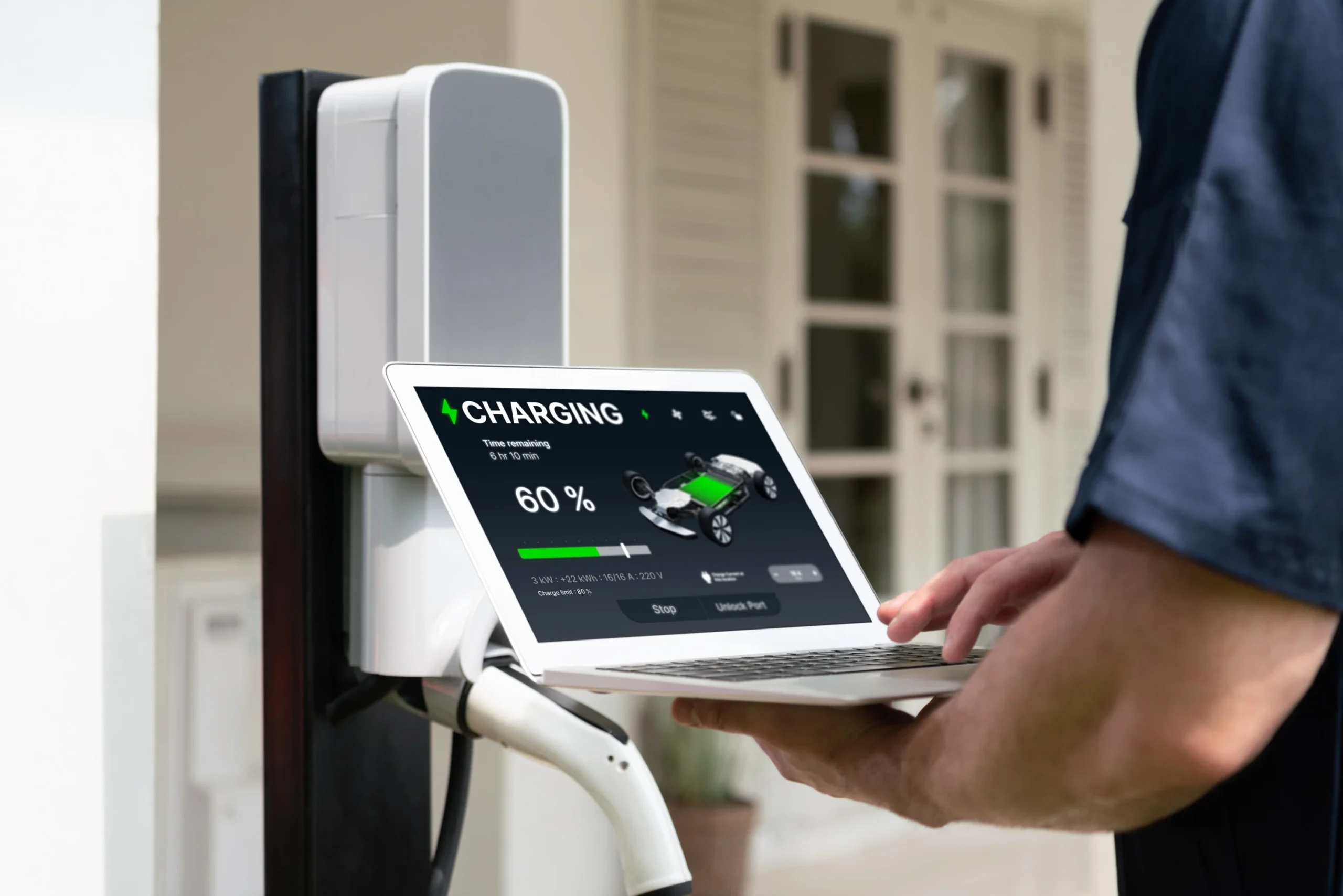
What Does a Pre-Installation EV Charger Inspection Entail? Category: Installing an EV charger at your...
Read MoreThinking of Installing an EV Charger in Your Apartment or Shared Parking Area? Here’s What You Need to Know
Thinking of installing an EV charger in your apartment or shared parking area? Here’s what...
Read MoreIs It Safe to Install an EV Charger Outdoors in Sydney’s Weather Conditions?
How to Choose the Right Gate Intercom for Your Property Category: The increased availability of...
Read MoreHow to Choose the Right Gate Intercom for Your Property
How to Choose the Right Gate Intercom for Your Property Category: Selecting the appropriate gate...
Read MoreThe Light Switch Feels Warm or Smells Burnt — What Should I Do?
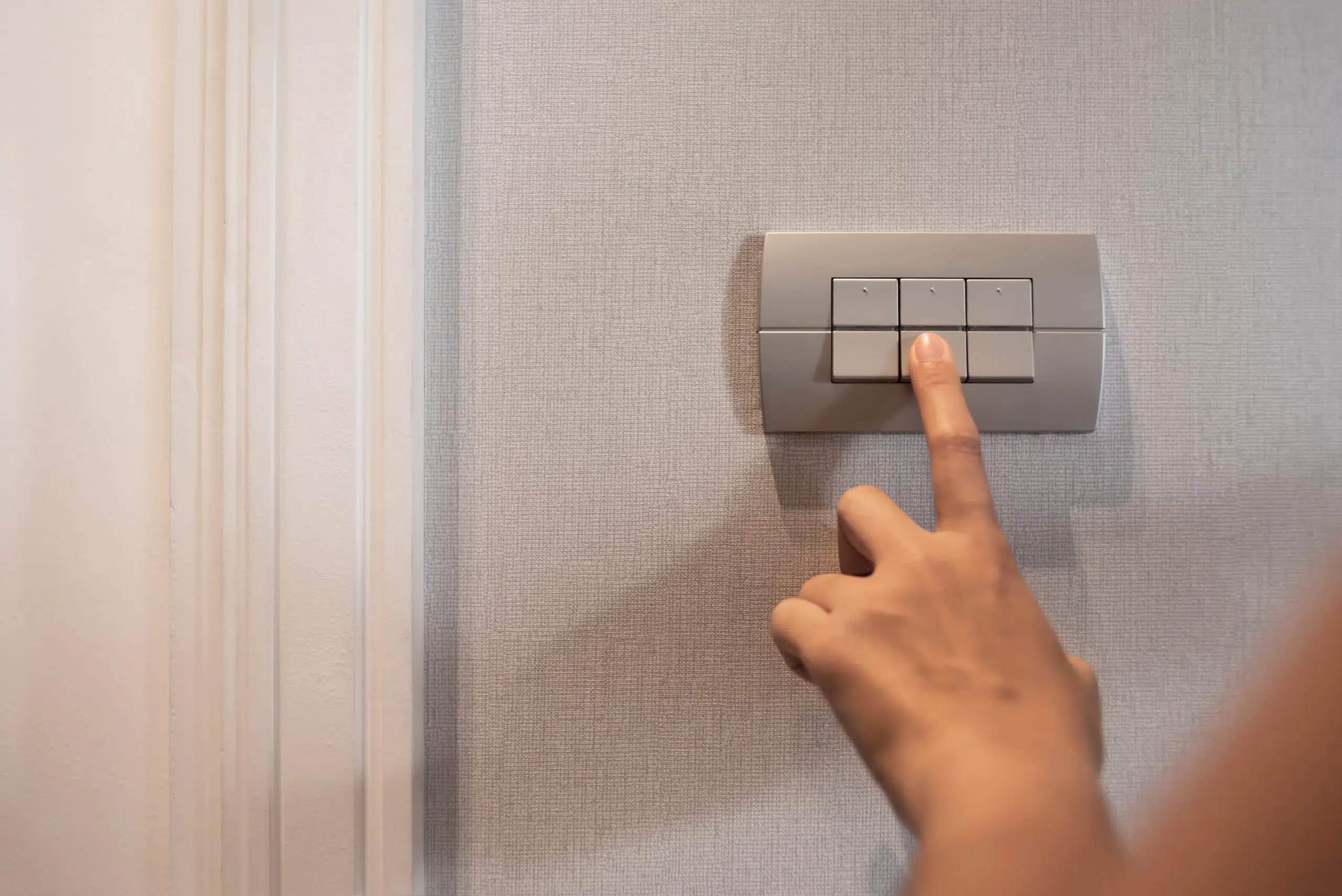
The Light Switch Feels Warm or Smells Burnt — What Should I Do? Category: Light...
Read MoreWhy Do I Get a Small Electric Shock from My Appliances?
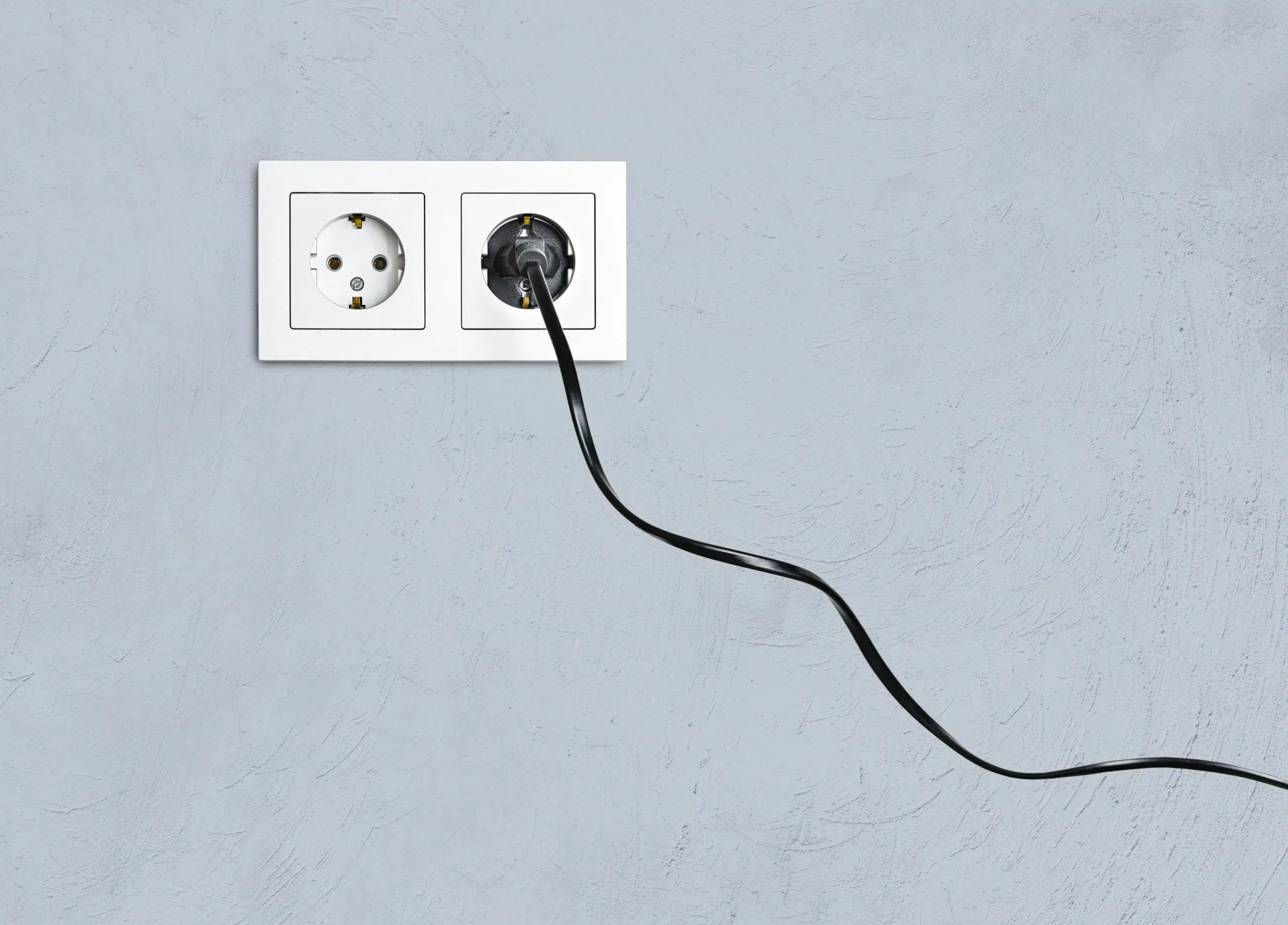
Why Do I Get a Small Electric Shock from My Appliances? Category: Small electric shocks...
Read MoreElectrical Surges Damaging Your Appliances? Here’s What You Can Do
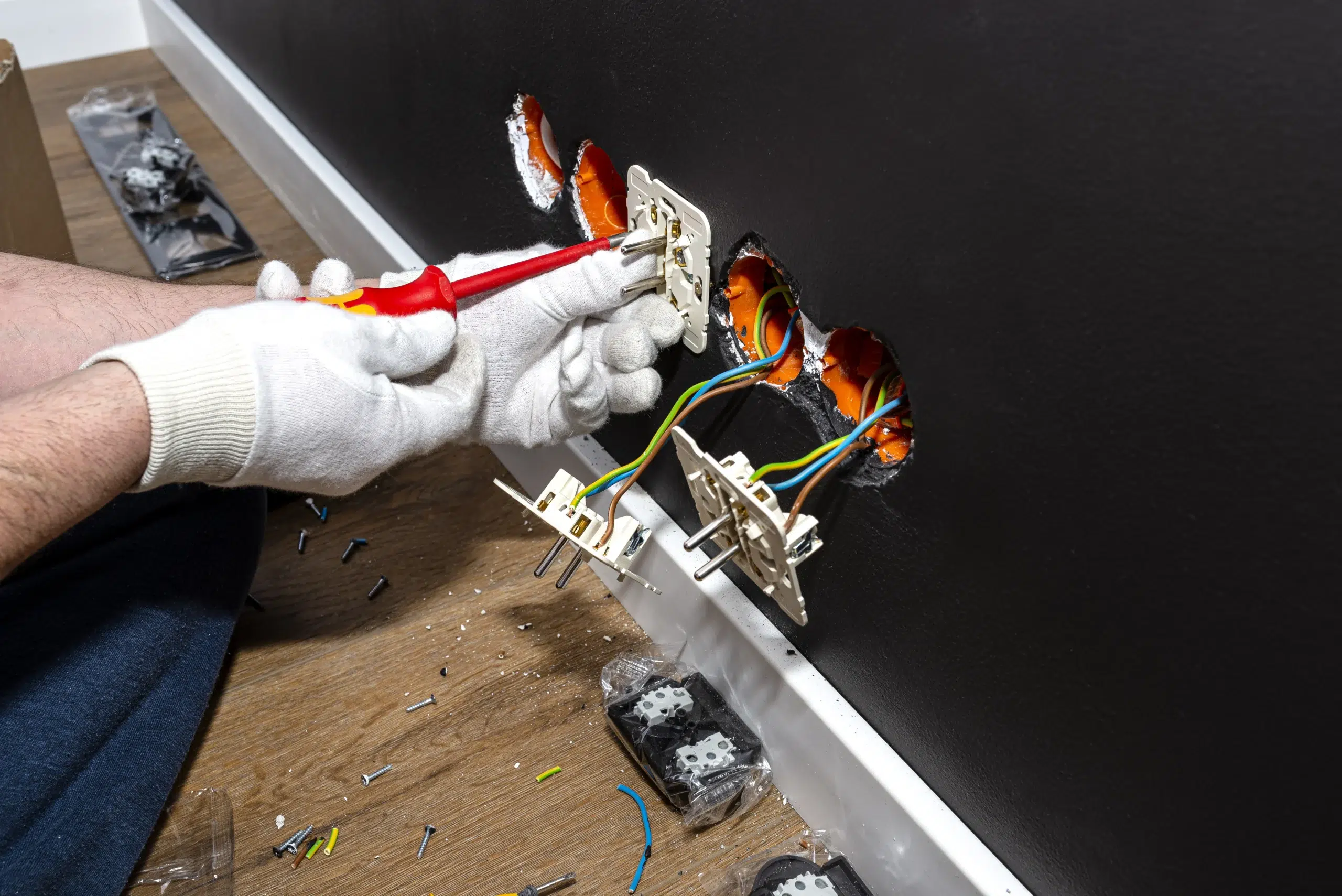
Electrical Surges Damaging Your Appliances? Here’s What You Can Do Category: An electrical surge refers...
Read MoreWhat are the types of smoke Alarms and How Does It Work?
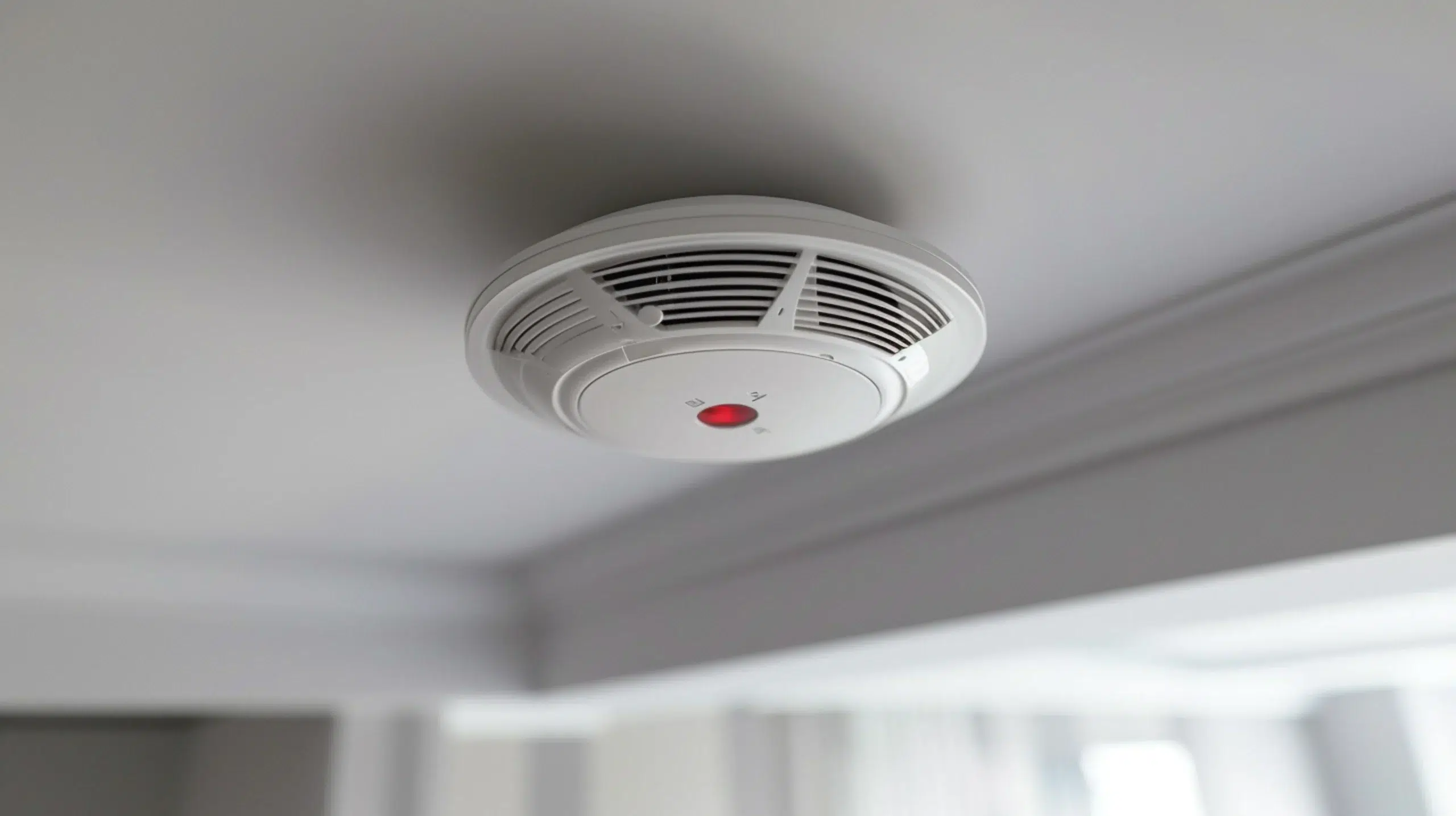
What are the types of smoke Alarms and How Does It Work? Category: A smoke...
Read MorePower Outage in Just One Room? Here’s What Could Be Causing It
Power Outage in Just One Room? Here’s What Could Be Causing It Category: Experiencing a...
Read More